
Best Shower Tiles for Easy Cleaning: Low-Maintenance Options for NSW Homes
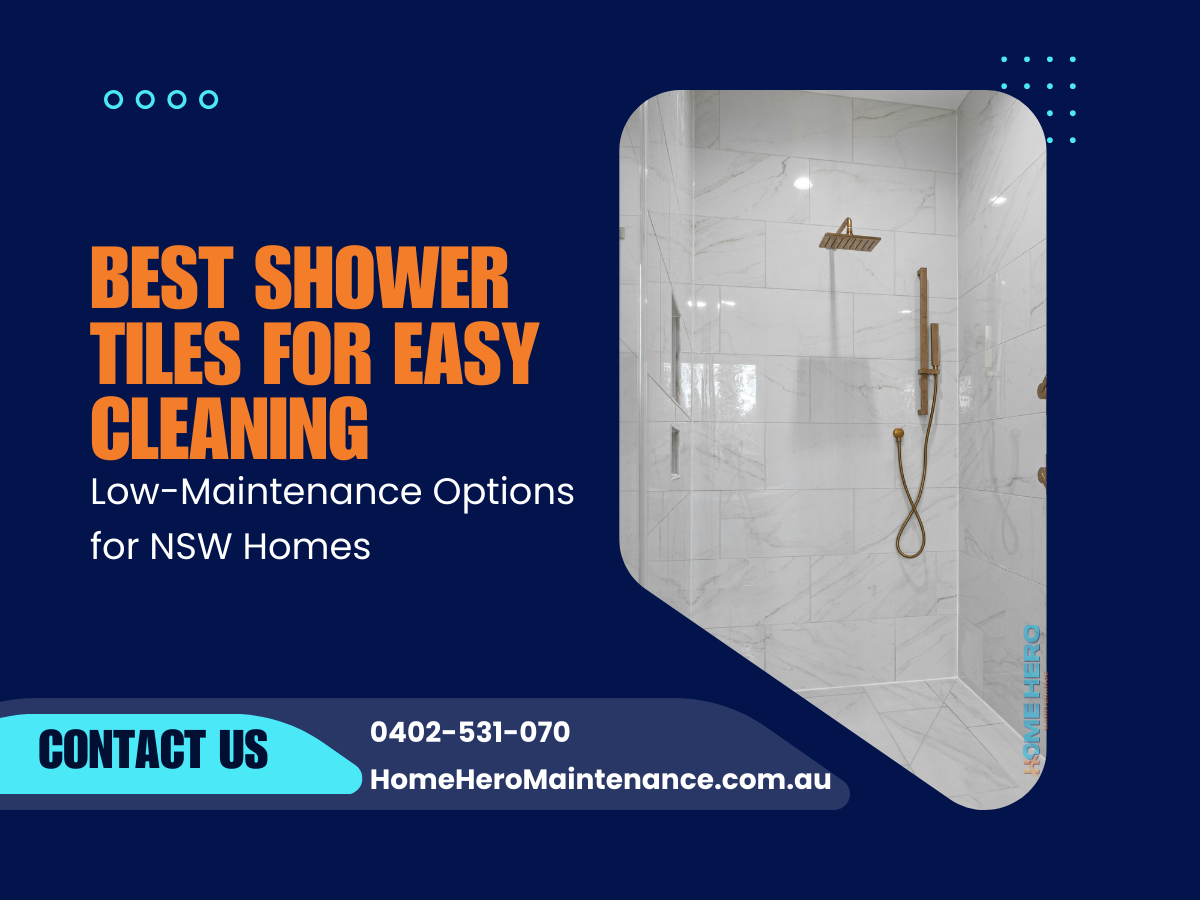
Maintaining a sparkling clean shower can be challenging, especially in areas with high humidity or hard water. For homeowners and commercial building owners in New South Wales, choosing the right shower tile can make a significant difference in both cleaning effort and long-term hygiene. This guide explores the easiest shower tiles to clean, why they are low-maintenance, and practical tips for keeping your shower surfaces pristine.
Why Choosing the Right Shower Tile Matters
Shower tile maintenance isn’t just about aesthetics; it directly affects hygiene and the longevity of your bathroom surfaces. Moist environments are ideal breeding grounds for mold, mildew, and bacteria. If your shower tiles are porous or have extensive grout lines, cleaning can become a time-consuming and frustrating task. Selecting tiles that resist moisture and dirt buildup ensures a healthier, more manageable shower experience.
Which Shower Tile Is Easiest to Clean?
When considering which shower tile is easiest to clean, homeowners often prioritize smooth surfaces, low-porosity materials, and designs that minimize grout lines. Smooth tiles are less likely to trap soap scum and dirt, while low-porosity materials resist water absorption and staining.
Here are the most effective options:
1. Porcelain Shower Tile
Porcelain shower tile is a top choice for low-maintenance showers. These tiles are denser and less porous than ceramic, making them resistant to water and stains. Porcelain tiles are also durable, chemical-resistant, and available in a wide range of finishes—from smooth glazed to micro-smooth textures.
Benefits:
Resistant to mold and mildew
Suitable for hard water showers
Works well with epoxy grout for easier cleaning
Long-lasting clean shower surfaces
2. Ceramic Shower Tile
Ceramic shower tile is another popular option. Glazed ceramic tiles create a smooth surface that is easy to wipe down, preventing dirt and soap buildup. They are available in various colours and finishes, making them a versatile design choice for both modern and traditional bathrooms.
Advantages:
Affordable and widely available
Resistant to moisture when properly glazed
Compatible with waterproof grout for bathrooms
Easy-to-clean bathroom wall tiles
3. Glass Shower Tile
For a sleek, modern look, glass shower tile is both visually stunning and low-maintenance. Its reflective surface makes your bathroom appear larger while offering a smooth surface that discourages mold growth.
Highlights:
Minimal absorption and non-porous surface
Resistant to soap scum and grime
Works best on feature walls or accent areas
4. Solid-Surface Shower Panels
Solid-surface shower panels provide a seamless, non-porous alternative to traditional tiles. Without grout lines, these panels are virtually grout-free shower tiles, drastically reducing cleaning time and preventing water damage.
Benefits:
Maintenance-friendly design
Non-porous engineered panels prevent staining
Smooth surface simplifies shower tile hygiene
5. Large-Format and Minimal Grout Tiles
Opting for large-format shower tiles for minimal grout reduces the number of grout lines, which are typically the hardest part to maintain. Fewer grout lines mean less opportunity for mold and soap scum buildup, making cleaning faster and easier.
Tips:
Pair with low-maintenance grout options like epoxy
Ensure proper shower slope and drainage to avoid standing water
Ideal for both residential and commercial showers
Features That Make Tiles Low-Maintenance
When selecting low-maintenance tiles for showers, certain features make cleaning effortless:
Smooth Shower Tile Surface – Easier to wipe and less likely to trap soap scum.
Low-Porosity Shower Tile – Resists water absorption, stains, and mold.
Chemical-Resistant Shower Tiles – Can withstand cleaners without damage.
Minimal Grout Lines – Less opportunity for grime accumulation.
Glazed Ceramic or Vitrified Porcelain Tiles – Durable and easy to maintain.
Non-Porous Engineered Panels – Seamless surfaces eliminate grout cleaning entirely.
Grout Matters as Much as Tiles
Even the best shower tiles for easy cleaning can become a hassle if paired with standard grout. Choosing the right grout is essential:
Epoxy Grout for Showers: Highly resistant to water, stains, and mold. Ideal for high-humidity areas.
Low-Maintenance Grout Options: Pre-sealed or polymer-modified grouts require less frequent maintenance.
Waterproof Grout for Bathroom: Keeps water from seeping behind tiles, preventing mold growth.
Grout lines cleaning tips:
Clean regularly with a non-abrasive cleaner
Wipe down after showers to prevent soap scum
Use a soft brush or grout sponge for stubborn spots
Smooth vs. Textured Shower Tiles
While textured tiles can add visual interest and slip resistance, smooth tiles are generally easier to maintain. Micro-smooth shower tiles allow water and debris to slide off, reducing the buildup of grime and making weekly cleaning quicker.
Tiles Resistant to Soap Scum and Mold
Selecting tiles that prevent soap scum buildup and resist mold is crucial for a clean shower:
Non-porous shower tile options such as glass, porcelain, and solid-surface panels
Chemical-resistant bathroom tiles allow for effective cleaning without damage
Regular wiping and proper ventilation complement the tile’s resistance
Tips for Easier Shower Cleaning
Even with the best tiles, maintenance habits make a big difference:
Wipe tiles after every use to prevent water spots and soap residue
Ensure proper shower slope and drainage to avoid standing water
Use squeegees or microfiber cloths for smooth surfaces
Seal grout lines periodically if using cement-based grout
Choose tiles that resist mold and soap scum for long-term hygiene
Maintenance-Friendly Shower Designs
A thoughtful shower design can reduce cleaning time:
Minimal grout shower tiles reduce dirt traps
Seamless shower walls eliminate corners and crevices
Reflective glass shower tile adds light and enhances visual cleanliness
Durable shower tile surfaces ensure tiles withstand chemical cleaning
How to Choose Easy-to-Clean Shower Tiles
When deciding how to choose easy-to-clean shower tiles, consider:
Material: Porcelain, ceramic, glass, or solid-surface panels
Surface finish: Smooth or micro-smooth for effortless wiping
Size: Large-format tiles reduce grout lines
Grout: Use epoxy or low-maintenance options
Design: Seamless or minimal crevices for easier hygiene
Best Materials for Low-Maintenance Showers
Vitrified porcelain tiles: Non-porous, durable, and stain-resistant
Glazed ceramic shower tiles: Affordable and easy to clean
Reflective glass shower tile: Modern, hygienic, and low-maintenance
Non-porous engineered panels: Seamless, chemical-resistant, and easy to wipe
Creating Long-Lasting Clean Shower Surfaces
For the longest-lasting clean surfaces, combine low-maintenance tiles with smart design:
Install minimal grout shower tiles or seamless shower walls
Ensure proper shower slope and drainage to prevent water pooling
Use durable shower tile surfaces that resist cleaning chemicals and wear
Pair with easy-to-clean bathroom wall tiles for consistent hygiene
Conclusion: Achieve a Sparkling, Low-Maintenance Shower
Choosing the easiest shower tile to clean in NSW comes down to selecting non-porous, smooth, and chemical-resistant surfaces while minimizing grout lines. Porcelain, glazed ceramic, glass, and solid-surface panels all provide excellent options for homeowners and commercial spaces. Pair these with the right grout, proper drainage, and thoughtful maintenance habits for a sparkling, hygienic shower every day.
HomeHero Maintenance specializes in professional tile cleaning and shower maintenance across New South Wales. We can help you keep your showers pristine, extend the life of your surfaces, and make cleaning effortless. Call us today at 0402 531 070 to schedule expert maintenance services.
Common FAQs About Shower Tile Cleaning
Q: How often should I clean my shower tiles?
A: Weekly cleaning prevents soap scum and mold buildup. A daily wipe-down with a squeegee keeps surfaces sparkling.
Q: Can grout lines really harbor mold?
A: Yes. Grout is porous, and standard cement-based grout can retain moisture, promoting mold growth. Use epoxy or sealed grout to reduce this risk.
Q: Are glass tiles more difficult to maintain?
A: Not necessarily. Glass tiles are smooth and non-porous, but they can show water spots. Wiping after use prevents streaks.
Q: What is the best tile for hard water showers?
A: Porcelain, vitrified porcelain, and glazed ceramic tiles resist stains and hard water marks better than other materials.
Q: Are large-format tiles easier to clean?
A: Yes. Fewer grout lines mean less area to scrub, simplifying shower tile maintenance.